How often should a septic tank be pumped?
In Houston County, Georgia, most residential septic tanks should be pumped every 3 to 5 years under normal household use. Homes with more than 4 occupants, garbage disposals, or older concrete tanks may need pumping every 2 to 3 years. The red clay soil throughout middle Georgia reduces drain field absorption over time, making regular pump-outs especially important for rural properties around Warner Robins and Perry.
What are the signs of a failing septic system?
In Houston County, Georgia, warning signs of a failing septic system include slow-draining sinks and toilets throughout the house, gurgling sounds in pipes, sewage odors inside or outside the home, soggy or unusually green grass over the drain field, standing water near the tank or field area, and sewage backing up into the lowest fixtures. Any of these signs warrants same-day service — system failure in middle Georgia red clay soil can escalate quickly once symptoms appear.
What does septic tank pumping cost?
In Houston County, Georgia, septic tank pumping typically costs between $250 and $450 for a standard residential tank, depending on tank size, access difficulty, and tank condition. Most Warner Robins area homes with 1,000 to 1,500 gallon tanks fall in the lower part of that range. Requesting a free estimate before any service starts is the best way to understand your specific cost — there should be no diagnostic or trip fees.
Is a full septic tank an emergency?
In Houston County, Georgia, a full or nearly full septic tank is not always an immediate emergency — but it becomes one quickly. Once a tank reaches capacity, waste backs up into the home or surfaces in the yard, turning a maintenance issue into a health hazard. A Warner Robins area tank that hasn't been pumped in 5 or more years should be treated as urgent. If you already see sewage odors, slow drains, or wet ground near the drain field, request emergency service immediately.
How do I know if my drain field is failing?
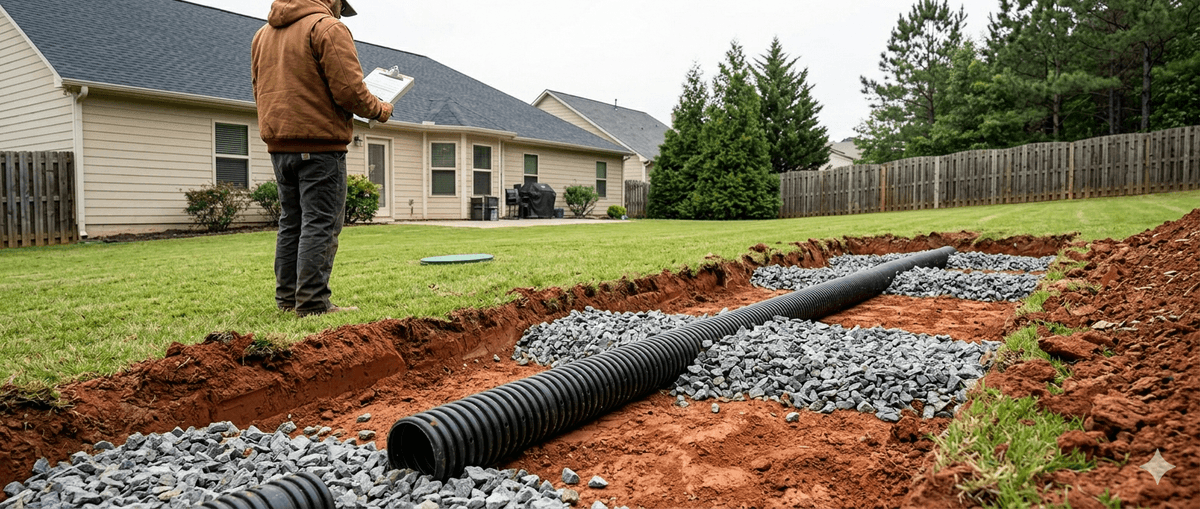
In Houston County, Georgia, drain field failure shows up as soggy or spongy ground above the field area, unusually green or fast-growing grass over the absorption lines, sewage odors outside the home, slow drains throughout the house even after pumping, and sometimes visible sewage surfacing in the yard. Middle Georgia's dense red clay soil drains slowly, so symptoms can appear gradually over months. A professional drain field assessment is the only way to confirm whether restoration or replacement is needed.
Can a septic tank be repaired?
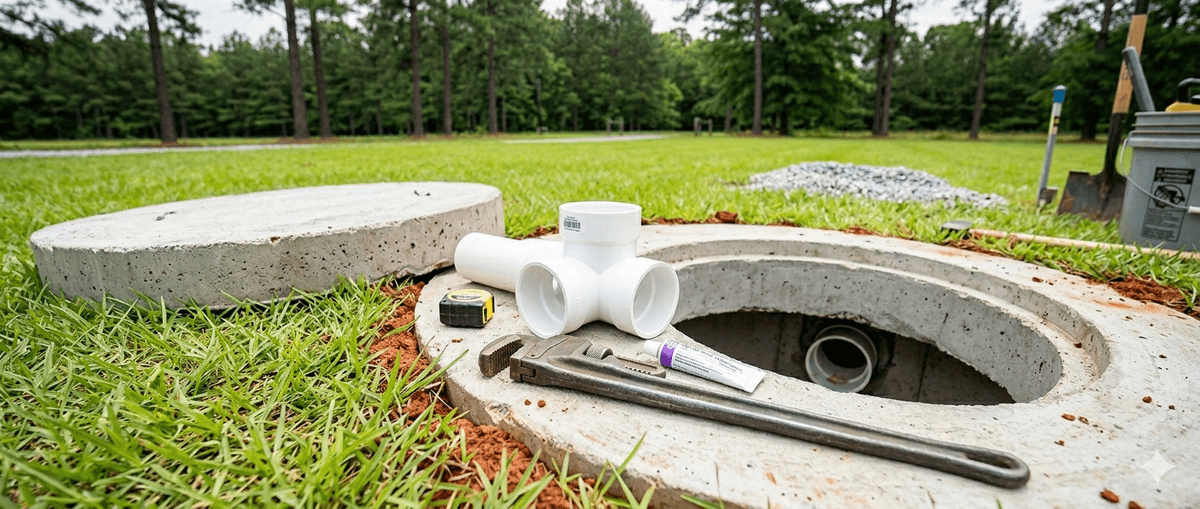
In Houston County, Georgia, most septic tank issues can be repaired without replacing the entire tank. Cracked baffles, broken lids, corroded risers, damaged distribution boxes, and clogged outlet pipes are all routine repairs. A cracked concrete tank can sometimes be sealed depending on the location and severity. Full tank replacement is only necessary when structural failure threatens the integrity of the entire system.
What do I do if my septic tank is backing up?
In Houston County, Georgia, a septic backup is a public health emergency that needs immediate attention. Stop using all water in the home — no flushing, no laundry, no showers — to prevent sewage from spreading. Keep family members and pets away from any affected drains or yard areas. Request emergency septic service through the quote form; local providers around Warner Robins respond to active backups 24/7, including nights, weekends, and holidays.
What happens if you don't pump your septic tank?
In Houston County, Georgia, skipping septic pumping allows solids to build up until they overflow into the drain field. Once solids reach the drain field, they clog the perforated absorption lines — and in middle Georgia red clay soil, that clogging is often permanent. The result is drain field failure costing $3,000 to $8,000 or more to repair, when a $300 pump-out every few years would have prevented it. Regular maintenance is by far the cheapest way to protect the system.
How long does septic pumping take?
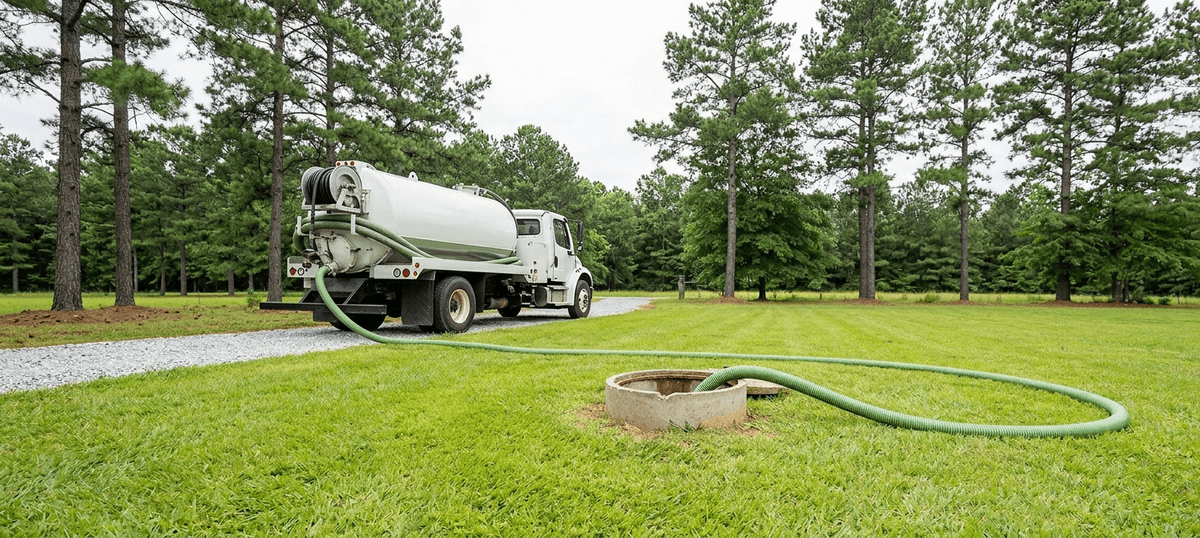
In Houston County, Georgia, a standard residential septic tank pump-out takes about 30 to 60 minutes once the pump truck is on site and the access lid is exposed. Older Warner Robins area properties without a riser may require an extra 30 to 60 minutes to dig down to the tank lid. The entire visit — including assessment, pumping, and a basic inspection of the baffles and distribution box — typically runs 1 to 2 hours.
Do I need a septic inspection to sell my house?
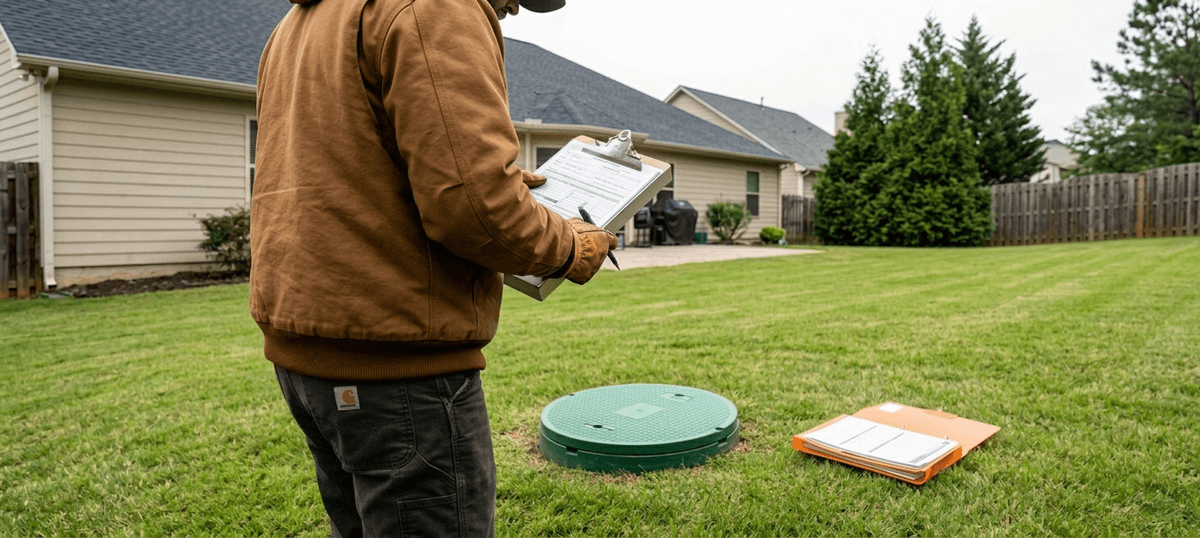
In Houston County, Georgia, a septic inspection is required for most home sales involving a private septic system, especially when the buyer is using a USDA or VA loan. The inspection documents tank condition, drain field function, and any deferred maintenance — and the written report satisfies lender requirements. Even when not required, a pre-listing inspection helps Warner Robins area sellers avoid surprises during the buyer's due diligence period.
How much does a septic service cost?
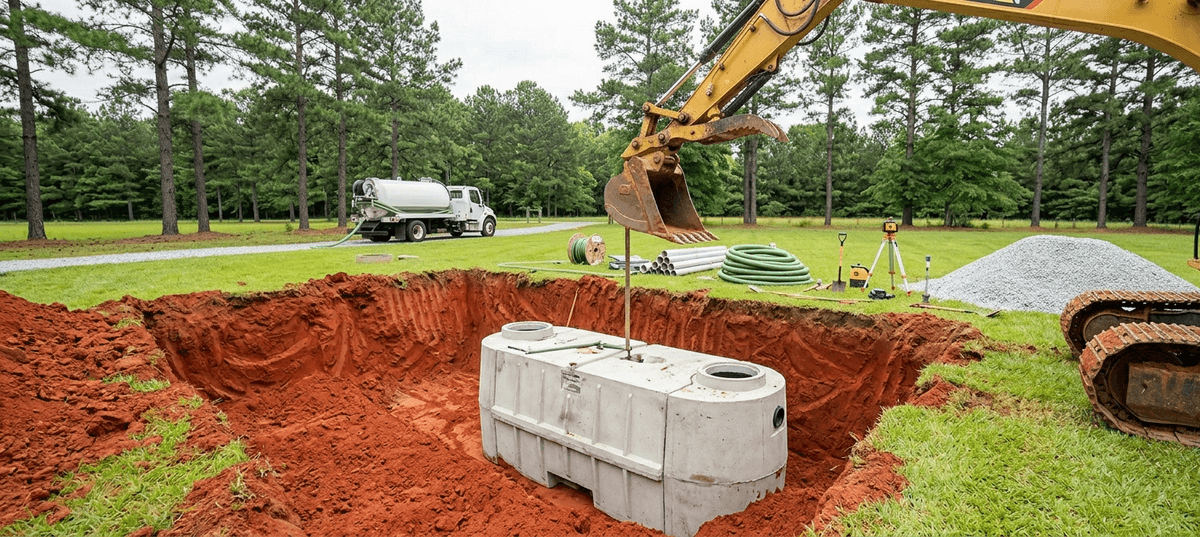
In Houston County, Georgia, septic service costs vary by job type. A standard pump-out runs $250 to $450. Repairs range from $500 for minor fixes like baffle replacement up to $5,000 or more for drain field work. A new septic system installation typically costs $3,000 to $10,000 depending on lot conditions, tank size, and Georgia EPD requirements. A pre-service inspection runs $150 to $400. All jobs should start with a free estimate — no trip fee or diagnostic fee before the quote.
Who fixes septic tanks near me?
If you are looking for septic service near you in Warner Robins, Georgia, Warner Robins Septic connects Houston County property owners with qualified local septic providers for pumping, repair, drain field service, and inspections. Coverage includes Warner Robins, Perry, Centerville, Bonaire, Kathleen, and Elko — most calls are matched to a local provider the same day. Submit the quote form to get started.
How much does septic tank pumping cost in Warner Robins, GA?
Septic tank pumping in Warner Robins, GA typically costs $250 to $450 for a standard residential tank, depending on tank size and access difficulty. Most in-town Warner Robins properties have smaller 1,000 to 1,500 gallon tanks that fall toward the lower end of that range. A free estimate before any service starts is the easiest way to get an exact number for your property.
Who does septic pumping in Houston County?
Warner Robins Septic connects Houston County property owners with qualified local septic providers who handle pumping, repair, drain field restoration, and inspections. Coverage spans Warner Robins, Perry, Centerville, Bonaire, Kathleen, and Elko, with most requests matched to a local provider the same day. Submit the quote form to get connected with a provider serving your area of Houston County.
How often is septic tank pumping needed in Warner Robins, GA?
Most residential septic tanks in Warner Robins, GA need pumping every 3 to 5 years under normal household use. Houston County's dense red clay soil slows drain field absorption, so homes with heavier water use, garbage disposals, or older concrete tanks often need pumping closer to every 2 to 3 years. Sticking to a regular schedule is the most effective way to avoid a $3,000 or more drain field repair.